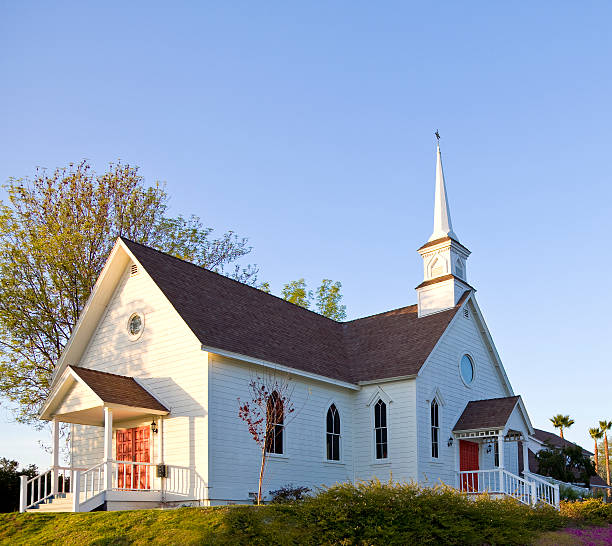
A church may hold weekly services, youth meetings, weddings, food drives, classes, fundraisers, and community events under one roof. At the same time, staff members and volunteers may travel off-site, transport members, handle donations, store private records, or use costly sound and video equipment. Each activity brings a different type of risk.
That is why insurance for churches usually includes several policies rather than one basic plan. The right mix may protect the building, church property, leaders, employees, volunteers, vehicles, and the people who visit. Still, no two ministries operate in the same way, so a useful policy review starts with the church’s real activities, property values, payroll, events, and transportation needs.
Illinois Insurance Center helps churches compare coverage through more than 20 carriers. Illinois Insurance Center acts as an insurance broker, not the company that issues the policy. As a result, a church can compare rates, limits, deductibles, and policy terms from several carriers instead of relying on one quote.
Why Insurance for Churches Needs More Than a Basic Property Policy
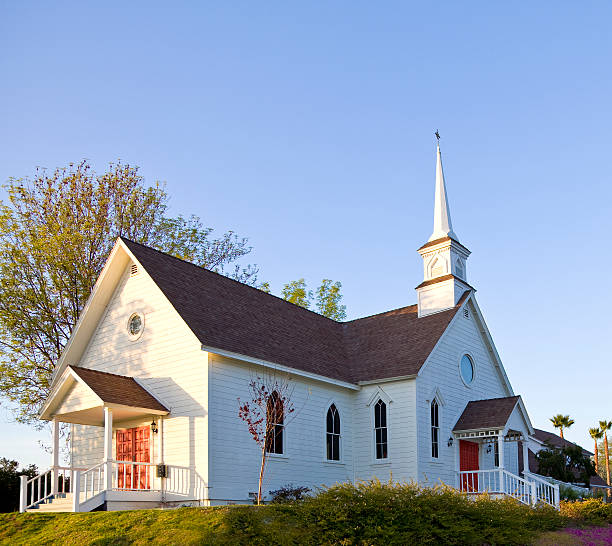
Many church leaders start by thinking about the sanctuary, roof, pews, and stained-glass windows. Church property matters, yet a building policy handles only part of the picture. A guest can slip in the parking lot, a volunteer can damage rented property, a church van can get into a crash, or a hacker can gain access to donor records.
For that reason, insurance for churches may combine property coverage with liability, employee, vehicle, leadership, and data protection. In many cases, each policy fills a gap left by another policy. A broker can review those gaps before a claim exposes them.
Different insurance companies for churches may set different rules for youth programs, day care, counseling, building age, roof condition, attendance, security, and vehicle use. One carrier may fit a small congregation, and another may suit a ministry with several buildings or a large outreach program. Illinois Insurance Center shops the market through its network of more than 20 carriers, which gives church leaders a broader set of choices.
What Does Insurance for Churches Usually Cover?
The exact policy depends on the carrier and the church’s application. Still, the following coverages often form the base of a church insurance package.
1. General Liability in Insurance for Churches
General liability may help if someone claims that the church caused bodily injury or damage to another person’s property. For example, a visitor may fall on an icy walkway, a child may get hurt during an activity, or a volunteer may damage a rented event space. The policy may help with covered medical bills, legal defense costs, settlements, or court awards, up to the policy limits.
Liability insurance for churches can extend beyond Sunday services. Weddings, support groups, meal programs, holiday events, and community meetings can bring more visitors onto church property. For that reason, the agent should know about every regular program and any large special event.
2. Property Coverage in Insurance for Churches
Church property insurance may protect buildings and church-owned items after a covered loss. Depending on the policy, protection may apply to fire, theft, vandalism, wind, hail, or other listed causes of loss. The property list may include pews, office furniture, musical instruments, computers, kitchen equipment, signs, sound systems, cameras, and ministry supplies.
Next, the church should review how the carrier values the building and contents. Replacement cost and actual cash value can produce very different claim payments. Older buildings, custom woodwork, stained glass, organs, steeples, and code upgrades may need special attention, so a low building limit can leave a large unpaid balance after a major loss. Illinois Insurance Center can compare church coverage with broader business insurance options when several policy types need to work together.
3. Pastoral Counseling Coverage in Insurance for Churches
Pastors and ministry staff may provide spiritual guidance, marriage counseling, grief support, or other personal advice. A general liability policy may not respond to every claim tied to counseling or ministry services. Pastoral professional liability may help with covered claims that allege harmful advice, neglect, or misconduct during those services.
At this point, the church should describe who provides counseling, where sessions occur, what records exist, and whether licensed counselors take part. Clear details help the agent look for policy language that fits the ministry’s work.
4. Directors and Officers Coverage in Insurance for Churches
Church boards make choices about money, property, staff, programs, contracts, and internal rules. A board member may face a claim that a decision caused financial harm or violated a duty. Directors and officers liability may help defend covered claims against church leaders and the organization.
In turn, the church should review who counts as an insured person under the policy. Pastors, elders, trustees, committee members, officers, and volunteers may not receive the same protection under every form. Reading the definitions can prevent an unpleasant surprise later.
5. Workers’ Compensation in Insurance for Churches
Workers’ compensation may pay covered medical costs and part of lost wages after an employee suffers a work-related injury. A church custodian might fall from a ladder, an office employee might slip on a wet floor, or a maintenance worker might strain a back when moving equipment.
Illinois law requires most employers to carry workers’ compensation coverage, and the rule can apply with one employee, including a part-time employee. Church employment arrangements can vary, so an agent or legal adviser should review the church’s duties under current Illinois law.
6. Commercial Vehicle Coverage in Insurance for Churches
A personal auto policy may not fit a church-owned van, bus, pickup, or other ministry vehicle. Commercial auto insurance may cover liability from a crash and may add physical damage protection for the church vehicle. The policy should list regular drivers, vehicle use, passenger capacity, travel area, and any trailer use.
Some ministries run food banks, donation pickups, or delivery programs with larger vehicles. In that case, commercial truck insurance may fit the vehicle and its use better. Driver records, vehicle condition, maintenance, and written driving rules can affect carrier interest and price.
7. Cyber Liability in Insurance for Churches
Churches may store names, addresses, phone numbers, giving records, payment details, payroll files, counseling notes, and information about children. A cyber event can lead to recovery costs, notice expenses, legal claims, lost access, and outside technical help. Cyber liability may help with covered costs after a data breach, ransomware event, or network attack.
At the same time, insurance works best beside practical security steps. The U.S. Cybersecurity and Infrastructure Security Agency provides security resources for houses of worship, including a self-review process for faith-based groups. A written plan, staff training, strong passwords, backups, and limited access can reduce avoidable problems, yet these steps do not replace insurance.
8. Volunteer Accident Coverage in Insurance for Churches
Volunteers handle many church tasks, from serving meals to setting up chairs. Workers’ compensation may not treat every volunteer as an employee. Volunteer accident coverage may help pay covered medical costs after a volunteer gets hurt during church work.
For example, a volunteer may cut a hand in the kitchen or fall during a cleanup day. This coverage can provide a direct source of accident benefits, subject to the policy terms. It can sit beside general liability rather than replace it.
What May Need Extra Attention in Insurance for Churches?
A standard package may leave gaps if the church runs programs outside normal worship activities. Before asking for quotes, church leaders should discuss the following items with an agent:
- Youth programs and child care: The church should explain age groups, staff screening, supervision rules, trips, camps, sports, and overnight events. A carrier may ask for written safety steps or separate policy terms for abuse or misconduct claims.
- Building rentals and outside groups: Weddings, schools, clubs, recovery groups, and community organizations can change the church’s risk. The church may need rental agreements, certificates of insurance, or rules for who handles damage and injuries.
- Special events and off-site work: Festivals, mission trips, food distribution, concerts, and fundraisers can involve crowds, travel, rented equipment, or unfamiliar locations. The agent needs dates, attendance, activities, and contracts before recommending coverage.
- Construction and major repairs: Roof work, additions, remodeling, and volunteer labor can change property and liability needs. The church should report the project before work starts, since a current policy may not fit a major construction job.
- Money handling and crime: Donations, checks, cards, and online giving can create theft or fraud risks. Crime coverage may help with certain losses, and basic controls such as dual approval and separate recordkeeping can lower the chance of misuse.
How Illinois Insurance Center Shops Insurance for Churches
Buying direct from one carrier gives a church one set of rates and rules. Working with Illinois Insurance Center opens the door to more than 20 carriers. That wider search can help match the church with a carrier that accepts its building, programs, vehicles, staff structure, and budget.
The process can follow four clear steps:
- Review the ministry: Illinois Insurance Center gathers details about buildings, attendance, payroll, volunteers, youth work, counseling, events, vehicles, claims, and property values. Better information leads to quotes that reflect the real church rather than a rough guess.
- Compare carrier options: Illinois Insurance Center checks available insurance companies for churches and compares premiums, deductibles, limits, exclusions, and added coverages. The lowest price may leave a costly gap, so the review looks at policy quality beside price.
- Explain the choices: Church leaders receive a plain-language review of the quotes. This step can show why one carrier costs more, where limits differ, and which exclusions deserve attention.
- Place the selected coverage: After the church picks an option, Illinois Insurance Center helps complete the application and place the policy with the chosen carrier. From there, the church should report changes such as new vehicles, new buildings, large events, added programs, or construction.
Churches across Chicago, the suburbs, and other Illinois communities can check the areas Illinois Insurance Center serves before requesting a quote.
How Much Does Insurance for Churches Cost?
No single price fits every church. Carriers may review the building’s size, age, construction, roof, electrical system, heating system, location, property value, claims, attendance, payroll, programs, vehicles, drivers, security steps, and requested limits.
A small church that rents space may have a very different premium from a church that owns several buildings, runs a school, operates buses, and holds large events. For that reason, a useful quote requires accurate details. Cutting limits or leaving out an activity may lower the price on paper, yet the gap can cost far more after a claim.
Final Review of Insurance for Churches
A church insurance plan should match the ministry as it operates now. General liability can address injury and property damage claims. Church property insurance can protect buildings and contents. Pastoral liability, directors and officers coverage, workers’ compensation, commercial auto, cyber liability, and volunteer accident coverage can fill other gaps.
Illinois Insurance Center gives churches access to more than 20 carriers rather than one company. That broker approach can make it easier to compare price and policy terms side by side. Coverage, exclusions, limits, and carrier availability vary, so the actual policy forms control each claim.
Get a Church Insurance Quote from Illinois Insurance Center
Protect the ministry, property, leaders, staff, volunteers, vehicles, and community programs with coverage built around real church activities. Call Illinois Insurance Center at (708) 524-4900 or use the Contact Page to request quotes from more than 20 carriers. Illinois Insurance Center will compare available options and help the church choose a policy that fits its needs and budget.
FAQs About Insurance for Churches
Does a small ministry need insurance for churches?
Yes, a small ministry can still face a property loss, injury claim, vehicle crash, employee injury, or data problem. The policy can match the ministry’s size, rented space, activities, and budget rather than copy a plan built for a large church.
Is general liability enough for insurance for churches?
Usually, no. General liability focuses on injury and property damage claims from other people. It does not replace church property insurance, workers’ compensation, commercial auto, cyber liability, pastoral counseling coverage, or board liability.
Can insurance for churches cover rented space?
It may. A church that rents a sanctuary, school, hall, or office may need liability coverage, coverage for church-owned contents, and protection for damage to rented premises. The lease can require certain limits or policy wording, so the agent should review it.
Does insurance for churches cover volunteers?
Some policies may cover volunteer actions under liability terms, and volunteer accident coverage may pay certain medical costs after an accident. The policy definitions matter, so the church should list volunteer duties and ask who qualifies as an insured person.
Can one policy handle every part of insurance for churches?
A package policy can combine several coverages, yet separate policies or added endorsements may still be needed. The best setup depends on the church’s property, staff, services, events, vehicles, and contracts.