
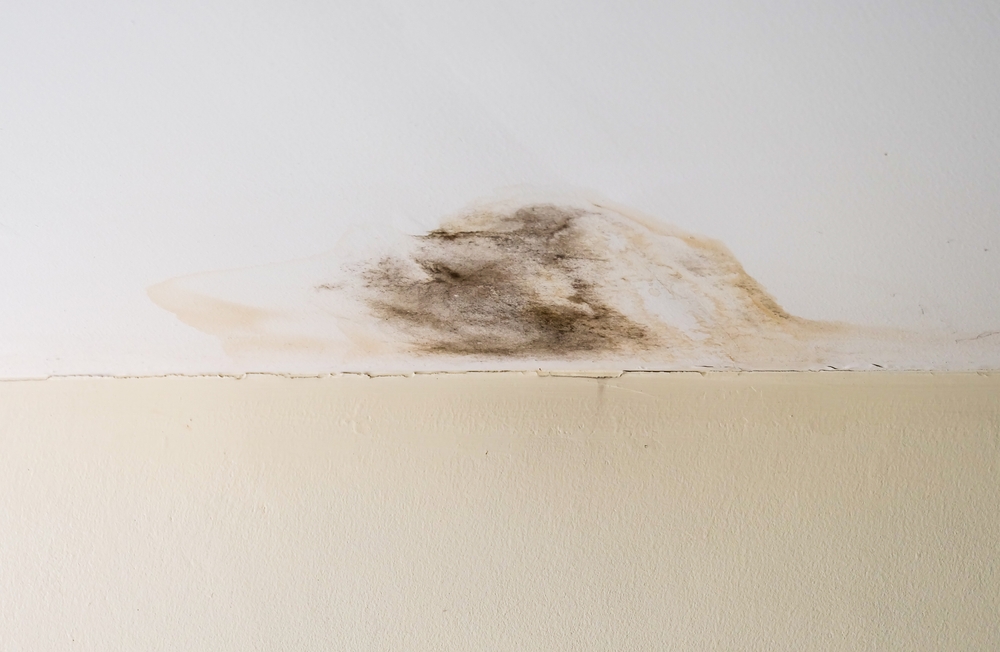
Storms and heavy rain can turn a normal day into a stressful mess. One minute, the weather looks rough outside. Next, water starts dripping from the ceiling, pooling near the basement wall, or soaking the carpet near a window. At that point, many homeowners ask the same question: does homeowners’ insurance cover water damage?
The answer depends on how the water got into the home. That part matters a lot. A standard homeowners policy may help with certain sudden and accidental water damage. Still, it usually will not cover every type of water problem, especially flooding from outside water.
Illinois Insurance Center helps homeowners compare policy options instead of guessing what coverage may apply. Since Illinois Insurance Center works as an insurance broker, our team shops over 20+ carriers to help customers find coverage that fits their home, budget, and risk level. For homeowners who want a clearer look at protection options, our homeowner’s insurance page is a good place to start.
Does Homeowners Insurance Cover Water Damage from Rain?
Many homeowners want to know, does homeowners’ insurance cover water damage from rain? In many cases, it may, but the cause has to match the policy terms.
For example, if a strong storm damages the roof and rain enters through that new opening, a homeowner’s policy may help pay for repairs to the covered damage. The key point is that the storm caused sudden damage first. Then the rain came in.
On the flip side, rainwater that seeps into a basement from the ground usually falls under flood or seepage concerns. Standard homeowners’ insurance often excludes that type of water damage. That means a separate flood insurance policy may be needed. FEMA’s National Flood Insurance Program explains that most homeowners and renters insurance policies do not cover flood damage, so homeowners can review FloodSmart.gov for more flood insurance information.
So, if the question is, does homeowners’ insurance cover water damage from rain, the honest answer is this: it depends on whether the rain entered through a covered storm-related opening or came in from outside flooding, seepage, or poor drainage.
Does Homeowners Insurance Cover Water Damage from a Leaking Roof?
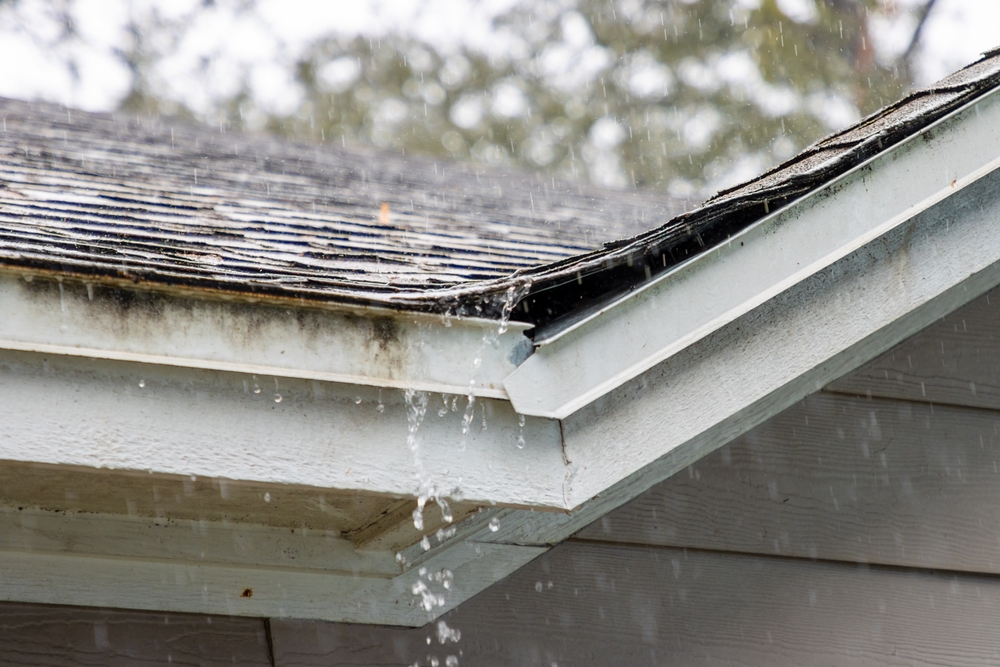
Another common question is, does homeowners’ insurance cover water damage from a leaking roof? Again, the cause matters.
A policy may help if a covered storm damages the roof. For example, wind tears off shingles, a tree branch hits the roof, or hail causes damage that lets water enter the home. In that kind of situation, the policy may help with interior damage, roof repair, or both, based on the coverage and deductible.
Still, roof leaks caused by wear and tear can create problems. If shingles have been missing for a long time or the roof has not been maintained, the carrier may deny the claim. Insurance works best for sudden accidents, not long-term maintenance problems.
Here are a few examples that can make the difference clearer:
Storm damage may be covered.
If a storm rips shingles from the roof and rainwater damages the ceiling, the policy may help pay for covered repairs. The carrier will still review the claim, photos, age of the roof, and policy details.
Old roof problems may not be covered.
If a roof has been leaking for months and water stains keep spreading, the carrier may see it as neglect or normal wear. That can leave the homeowner paying out of pocket.
Interior damage may be handled differently from roof damage.
Sometimes the policy may treat the roof, drywall, insulation, flooring, and personal items in separate ways. For that reason, our team helps clients review coverage limits, exclusions, and deductibles before a claim ever happens.
This is why Illinois Insurance Center encourages homeowners to review coverage before storm season hits. A quick policy check can save a lot of confusion later.
Does Homeowners Insurance Cover Water Damage from Flooding?
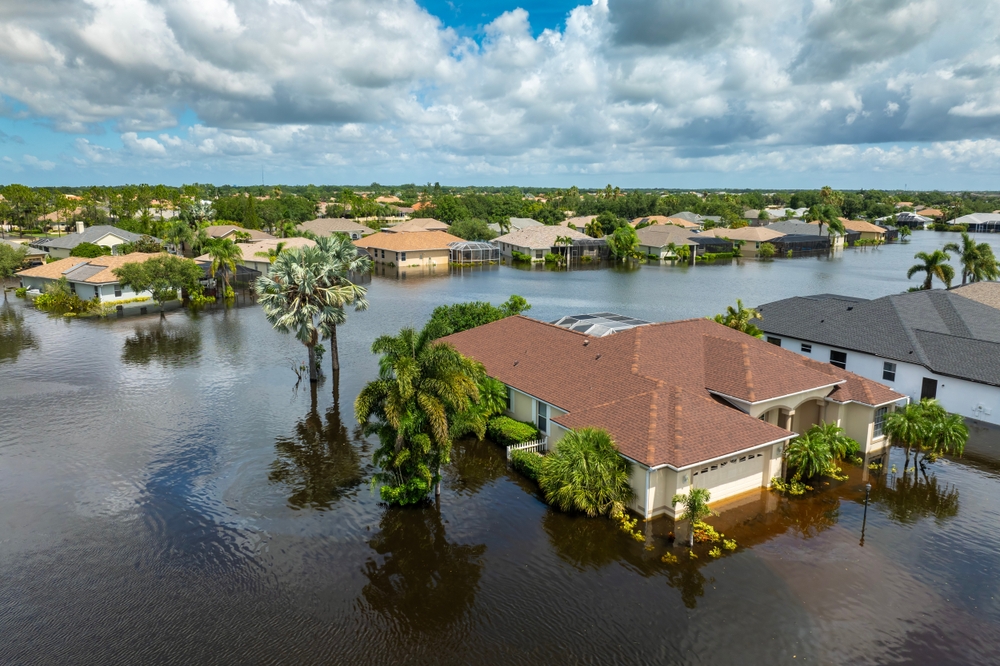
Homeowners often use the word “flood” for almost any water problem, but insurance companies usually define flooding in a very specific way. If heavy rain causes water to rise from the ground and enter the home, a standard homeowners’ policy usually will not cover that damage.
That can include water from overflowing rivers, backed-up storm drains, heavy surface water, or water entering through basement walls. In many cases, the homeowner needs a separate flood insurance policy for that kind of loss.
So, does homeowners’ insurance cover water damage after heavy rain? It may cover some storm-related water damage, but it usually does not cover true flood damage. That difference can feel small during a storm, but it can make a big difference during a claim.
Illinois Insurance Center can help homeowners compare policy choices, ask the right questions, and see whether flood coverage may make sense. Homeowners across our areas we serve can contact our team for help reviewing options from multiple carriers.
Does Homeowners Insurance Cover Water Damage from Sewer Backup?
Sewer backup is another area homeowners should review closely. Standard homeowners insurance may not include sewer backup coverage automatically. Some carriers offer it as an added coverage, often called an endorsement.
This coverage may help if water backs up through a drain, toilet, sump pump, or sewer line and damages the home. Yet, coverage limits can vary, and exclusions can still apply. So, it pays to read the fine print before a loss happens.
For renters, water damage can raise different questions. A landlord’s policy usually covers the building, not the renter’s personal belongings. Renters can learn more about protecting personal items through renters insurance.
Does Homeowners Insurance Cover Water Damage? What Homeowners Should Check
When a client asks, does homeowners insurance cover water damage, our team usually recommends reviewing the policy in plain language. The goal is to know what the policy may cover before water damage puts pressure on the household.
Here are a few items to check:
Look at covered causes of loss.
The policy should explain which events may qualify for coverage. Storm damage, accidental discharge from plumbing, and sudden roof damage may receive different treatment than seepage, flooding, or long-term leaks.
Review exclusions closely.
Exclusions tell homeowners what the policy will not cover. Flooding, earth movement, poor maintenance, mold, and gradual leaks may appear in this section. This part matters, so our team can help clients go through it in simple terms.
Check deductibles and limits.
A policy may cover a loss, yet the deductible and coverage limits can affect the final payout. Some policies may have special wind, hail, or water damage deductibles.
Ask about added coverage.
Sewer backup, sump pump overflow, service line coverage, and flood insurance may be available through certain carriers. Since Illinois Insurance Center shops over 20+ carriers, our team can compare choices instead of forcing one option.
Keep records and photos.
Photos of the home, roof, basement, appliances, and past repairs can help during a claim. After damage happens, photos, receipts, and repair notes can help show what occurred.
Does Homeowners Insurance Cover Water Damage? Why a Broker Can Help
Buying home insurance can feel like sorting through a stack of papers with too many details. That is where Illinois Insurance Center can help. Our team does not sell one single company’s policy and call it a day. Instead, we compare options from over 20+ carriers to help clients find the right fit.
That means homeowners can ask real questions, such as:
- Does homeowners’ insurance cover water damage from rain at my home?
- Does homeowner’s insurance cover water damage from a roof leak?
- Do I need sewer backup coverage?
- Should I look at flood insurance?
- Is my deductible too high for storm damage?
- Does my current policy fit my home’s age, roof, and basement risk?
From there, Illinois Insurance Center can help compare coverage options, explain policy language, and help clients feel more prepared before the next storm rolls in.
Contact Illinois Insurance Center for Homeowners Insurance in Illinois
So, does homeowners’ insurance cover water damage from storms or heavy rain? Sometimes it does, and sometimes it does not. The answer depends on the source of water, the condition of the home, the policy terms, and whether extra coverage has been added.
Storm damage through the roof may be covered. A burst pipe may be covered. Floodwater from outside usually needs separate flood insurance. Sewer backup may need an added endorsement. Since every policy can read a little differently, guessing is risky.
Illinois Insurance Center helps homeowners compare coverage from over 20+ carriers, review policy choices, and find protection that makes sense for real-life risks. To review your homeowners insurance options, call 708-524-4900 or visit our Contact Page today. Our team is ready to help you compare coverage, ask smart questions, and feel more prepared before the next heavy rainstorm hits.
Does Homeowners Insurance Cover Water Damage? FAQs
Does homeowners insurance cover water damage from rain?
Yes, it may cover rain damage if a covered storm event creates an opening that lets rain enter the home. For example, wind damages the roof, then rain damages the ceiling. Still, rainwater that enters from ground flooding or seepage usually needs separate coverage.
Does homeowners insurance cover water damage from a leaking roof?
It may cover damage from a leaking roof if the leak started from sudden storm damage. If the leak came from old shingles, poor maintenance, or long-term wear, the carrier may deny the claim.
Does homeowner insurance cover water damage from a burst pipe?
A standard homeowners policy may cover sudden and accidental water damage from a burst pipe. Still, the carrier will review the cause, damage, and policy terms. Damage from neglect, frozen pipes without heat, or long-term leaks may create claim issues.
Does homeowners insurance cover water damage in the basement?
It depends on the source. A sudden plumbing leak may receive coverage under some policies. Water that enters through basement walls, windows, foundation cracks, or rising outside water usually falls under flood, seepage, or drainage issues.
Does homeowners insurance cover water damage from sewer backup?
Some policies do not include sewer backup coverage automatically. Many homeowners add this coverage by endorsement. Illinois Insurance Center can help compare carriers that offer this added protection.