What You Should Know About EV Auto Insurance in Illinois
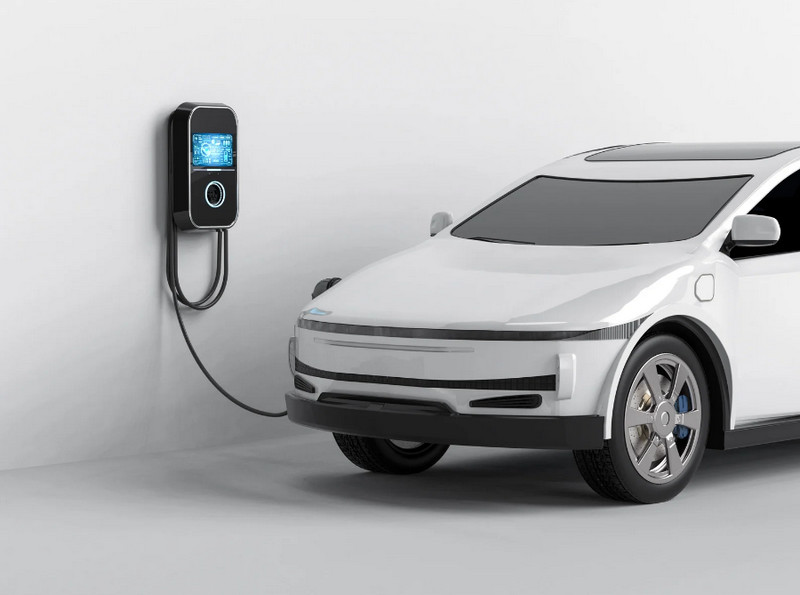
If you’re one of the growing number of Americans choosing to go all-electric, take a look at what you need to know about auto insurance.
Key Person Insurance — Protect Yourself, Your Business, and Your Employees

Every small business has employees who are vital to the company’s operation. Learn how key person insurance can protect your business if that person dies.
3 Types of Businesses That Need Landscaping Insurance

From lawn care companies to tree trimmers and arborists, here are the main types of businesses that should invest in landscaping insurance.
How Does Insurance Fit Into Your Financial Plan?

Is insurance part of your financial planning? If not, your financial plan isn’t complete. Learn the importance of insurance as part of your financial plan.
Vital Information for an Accurate Landscaping Business Insurance Quote

When researching policies for your landscaping business, make sure you have the information discussed in this blog ready so you can get accurate quotes.
Protect What Matters: Understanding Renters Insurance with Illinois Insurance Center

If you rent your place of residence, you need renters insurance. Read this blog to find the answers to your questions about renters insurance.

Types of Insurance Contractors Should Get

If you own a company, you need to ensure that you have sufficient insurance. Read about a few types of insurance contractors should get.
Frequently Asked Questions About Landscaping Insurance

Landscaping insurance can protect both your business and your customers against risk. Find the answers to your questions about landscaping insurance.
8 Types of Small Business Insurance Every Owner Should Know

As a small business owner or independent contractor, chances are that you’ve had some experience with contractors insurance. In Illinois, Contractors insurance is essential to protect your business, employees, and your clients in the event of accidents, injury, property damage, or bodily harm. It’s essential to know what you have and what you might need in the future to ensure you have the broadest protection. Without insurance, you could be held liable for reported accidents and, in some places, you could even break the law. There are several types of insurance that general contractors may need to purchase in Illinois. To get a better idea of which of the most common contractor insurance policies your business may need, this quick guide is here to assist. 1. Contractors General Liability Insurance This is one of the most important coverages a contractor can have. General liability insurance protects contracting businesses from losses due to accidents, vandalism, theft, third-party injuries, and legal actions. Commercial general liability will cover any compensation or legal expenses that you acquire during a litigation process. 2. Workers Compensation Insurance Workers compensation insurance covers the employees of a company if they are injured while fulfilling their job duties. If you or one of your employees are ever injured while on a job, workers compensation insurance provides wage assistance and help with medical expenses. In addition, workers compensation offers benefits to families of injured workers in the event of accidents. 3. Commercial Auto Insurance If you plan to purchase and utilize a vehicle or several vehicles for your business, this coverage is essential. A commercial auto policy covers any property damage or bodily harm that was caused by those vehicles as a result of an accident. Commercial auto insurance protects your business as a whole, including all the drivers and vehicles operating under your company’s name. 4. Contractor’s Disability Insurance Most independent contractors rely on physical hard work to earn a living, so if any injuries limits your abilities to work, temporarily or permanently, you could lose your primary source of income. Disability insurance provides coverage for lost wages and business expenses in case of an injury. You will need to decide whether short-term, long-term, or both types of coverage are best for your needs. 5. Builder’s Risk Insurance If in the middle of a project, disaster strikes, you’ll want a comprehensive builder’s risk policy. Builder’s risk insurance protects construction projects while they are in progress, protecting the materials installed from fire, weather, vandalism, theft, or other damage. Traditional property insurance covers damages to existing buildings or structures but doesn’t cover them during construction or remodeling. The policy will pay for work that must be replaced and compensate contractors for delays caused by damage. 6. Tools and Equipment Insurance Damage to the equipment or tools that you use every day can completely stop operations—especially if the equipment is costly to repair or replace. Equipment insurance can cover most contractors equipment from hand tools to heavy machinery and helps you to get back in business quickly after damage to your company’s tools or equipment. 7. Inland Marine Insurance Inland marine insurance coverage is an important policy for your company if you haul tools and equipment or are transporting borrowed or rented equipment. This coverage protects any of your company’s property or materials while they’re en route and involved in your business operations. 8. Umbrella Insurance Umbrella insurance provides you and your company with additional liability to raise the coverage of your existing policies. The Contractor umbrella policy usually raises the limits of your general liability, workers compensation, and automobile liability based on the extended coverage that you purchase. This coverage is particularly crucial for independent contractors with significant assets, unique job requirements, or other unique circumstances that could result in larger expenses in cases of emergency. Contact Illinois Insurance Center for a free quote for Contractors Insurance in Illinois .
Re-Evaluating Your Auto Insurance: 5 Key Questions

If you haven’t examined your auto insurance coverage in a while, read this blog to learn five questions that you should ask yourself right now.